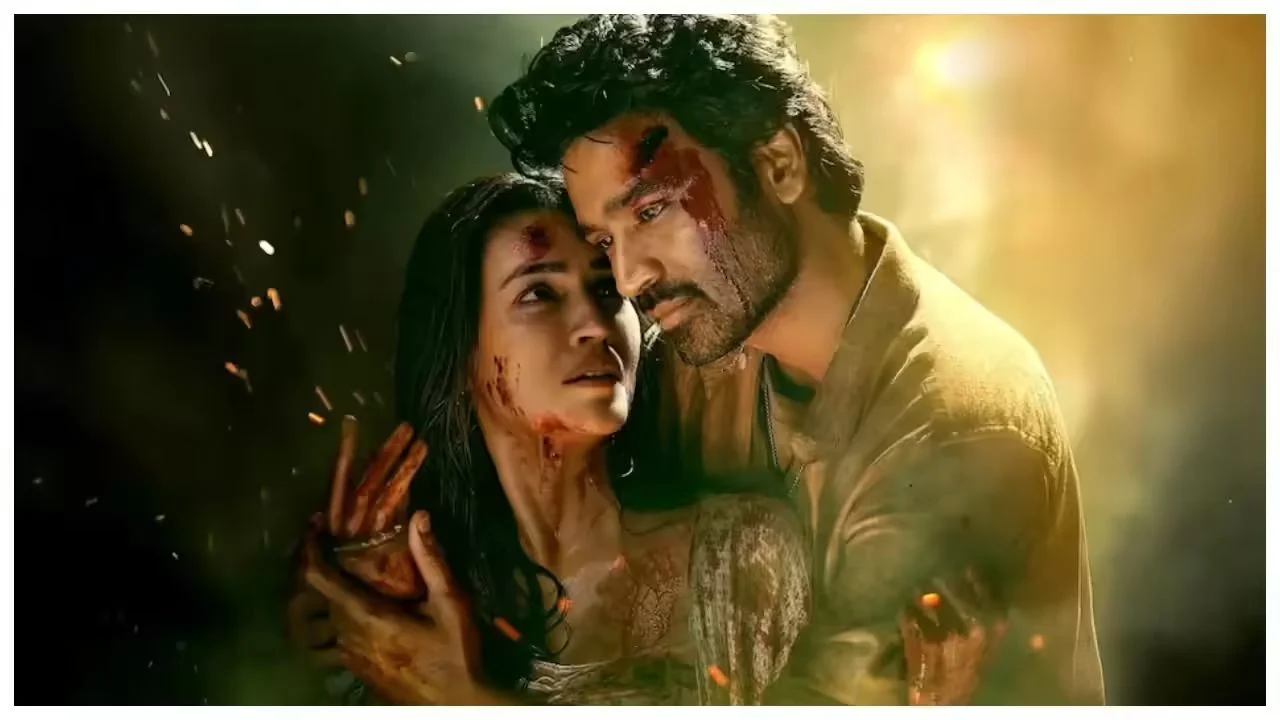
Tere Ishk Mein is one of the most talked-about romantic appearances in Bollywood cinema. Coordinated by Aanand L. Rai and driven by competent exhibitions from Dhanush and Kriti Sanon, the film arrived with immense desires and cleared out behind serious debates. Arranged as a profoundly emotional adore story, the film explores points of energy, obsession, harm, and the complexities of human associations. This nitty gritty audit looks at the cast, story wants, execution, music, essential gathering, Mumbai release effect, and why Tere Ishk Mein continues to isolate audiences.
Cast and Exhibitions: The Passionate Spine of the Film
The most grounded angle of Tere Ishk Mein is without a doubt its cast. Aanand L. Rai depends intensely on performance-driven narrating, and the actors provide with conviction.
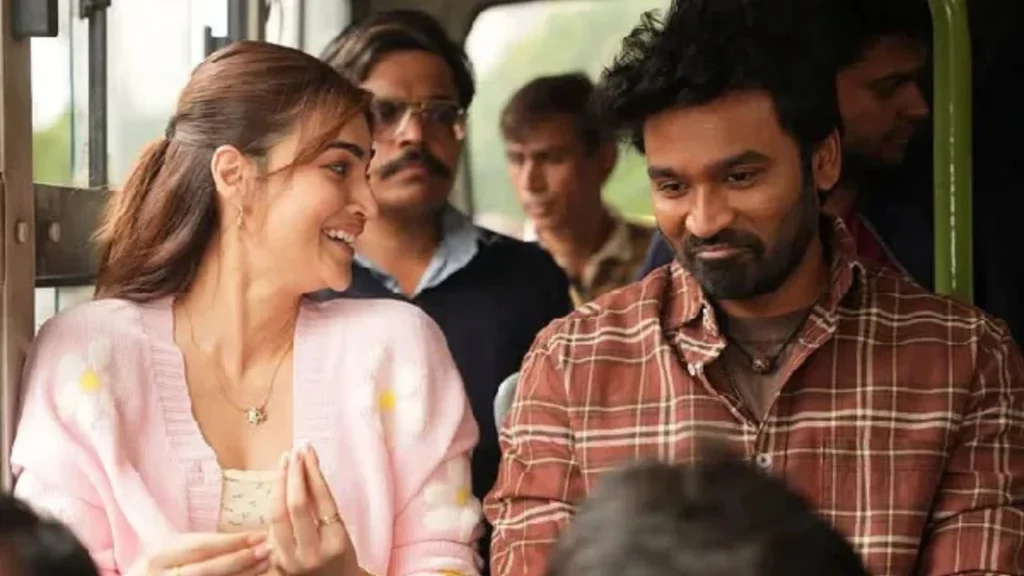
Dhanush as Shankar
Dhanush depicts Shankar, an Indian Discuss Constrain officer whose seriously emotional nature characterizes the story. Shankar is incautious, profoundly injured, and driven by a devouring desire for adoration and approval. Dhanush brings crude physicality and emotional profundity to the part, making Shankar both thoughtful and unsettling. His performance captures the contradictions of a man competent of tenderness and destruction in equal measure.
This part marks one of Dhanush’s most demanding performances in Hindi cinema. His body dialect, quiet, and explosive emotional outbursts lift scenes that might otherwise feel overly melodramatic. Even when the account flounders, Dhanush’s performance holds the viewer’s attention.
Kriti Sanon as Mukti
Kriti Sanon plays Mukti, a taught analyst whose life meets with Shankar’s in unforeseen ways. Not at all like conventional Bollywood romantic leads, Mukti is candidly protected, savvy people driven, and ethically clashed. Kriti conveys a restrained performance that contrasts successfully with Dhanush’s volatility.
Her depiction includes complexity to the film, in spite of the fact that a few watchers may discover her character’s inspirations equivocal. In any case, Kriti Sanon demonstrates her development as an actor by dealing with a layered part that requests enthusiastic nuance or maybe than obvious dramatics.
Supporting Cast
The supporting cast includes an emotional surface to the film. Prakash Raj, as Shankar’s father, conveys a calm but impactful performance that highlights generational strife and enthusiastic suppression. Tota Roy Chowdhury, playing Mukti’s father, speaks to societal specialists and lesson divisions. Priyanshu Painyuli and Mohammed Zeeshan Ayyub bring emotional establishing and recognition, improving the film’s realism.
Story Desires Some time recently Release
When Tere Ishk Mein was declared, desires were outstandingly tall. Aanand L. Rai’s prior victory with sincerely wealthy romantic movies made expectation for a love story that would mix verse, authenticity, and social commentary.
The special fabric suggested:
- An energetic, awful romance
- A mentally layered love story
- A profound melodic experience
- Solid character-driven storytelling
Audiences anticipated an advanced, however candidly resounding romantic dramatization that might stand nearby Rai’s prior work, while advertising something fresh.
Story Diagram: Adore That Expends Or maybe Than Heals
At its center, Tere Ishk Mein is not a customary love story. It is a mental investigation of fixation, enthusiastic reliance, and uncertain trauma.
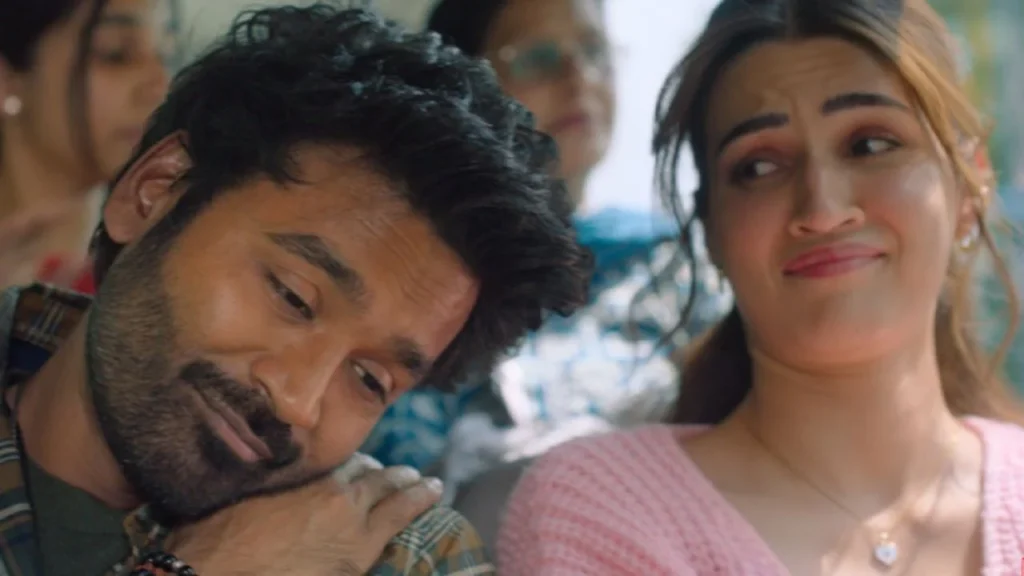
Shankar’s love for Mukti is serious and expansive. What starts as fascination gradually changes into obsession. Mukti, on the other hand, approaches the relationship with caution, mental remove, and inside strife. Their emotional imbalance becomes the driving drive of the narrative.
The film questions whether adore can genuinely recuperate broken people or whether it now and then opens up existing wounds. Instead of advertising comforting resolutions, the story inclines into emotional distress, making the audience confront unsettling truths about romantic idealisation.
Execution: Aspiration Meets Excess
While the film’s eagerly are striking, its execution is uneven.
- Strengths
- Enthusiastic realness in key scenes
- Solid character performances
- Thought-provoking themes
- Outwardly expressive cinematography
Weaknesses
- Overlong runtime
- Conflicting pacing
- Tedious emotional beats
- Intemperate acting in the moment half
The film frequently battles to adjust mental authenticity with increased dramatization. Certain scenes wait longer than vital, whereas others surge through critical character improvements. This lopsidedness influences story clarity and enthusiastic impact.
Subjects Investigated in the Film
Tere Ishk Mein endeavors to go past romance by addressing deeper emotional and social issues.
Fixation vs Love
The film intentionally obscures the line between love and fixation. Shankar’s conduct powers the group of onlookers to address whether serious dedication is romantic or destructive,
Mental Trauma
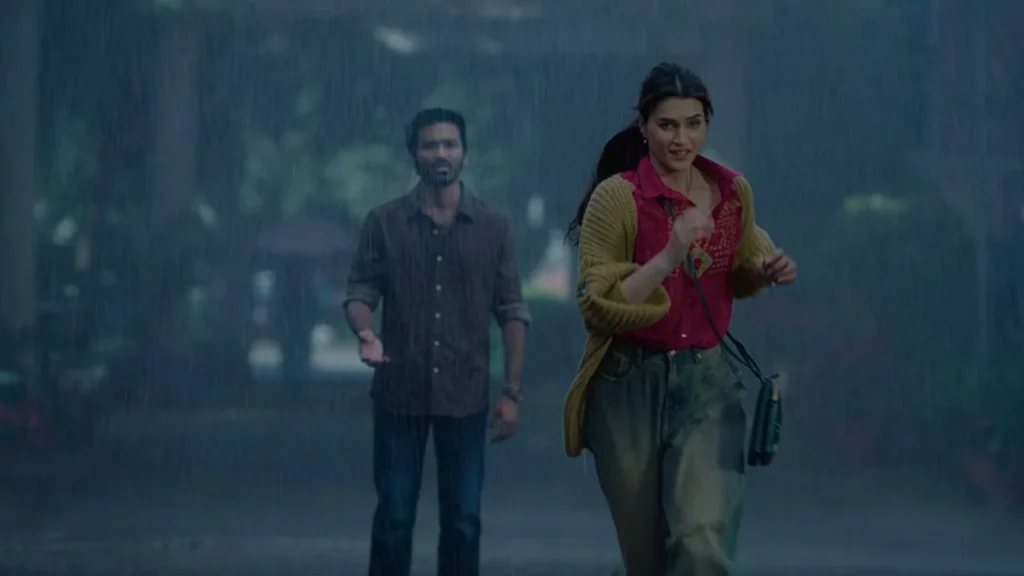
Both lead characters carry enthusiastic stuff. The film depicts how uncertain injury can shape connections in unfortunate ways.
Course and Control Dynamics
Social progression plays a critical part in forming clashes, especially through parental impact and societal expectations.
Gender and Emotional Agency
Mukti’s character challenges traditional romantic tropes, though the account in some cases undermines her organization by centering male emotional turmoil.
Music and Background Score
A. R. Rahman’s music is one of the film’s most celebrated elements. The soundtrack complements the emotional tone without overpowering the narrative.
The title track stands out for its haunting song and expressive profundity. The foundation score subtly enhances emotional minutes, particularly amid scenes of yearning and misfortune. Rahman’s compositions include soul to the film and regularly succeed where the screenplay struggles.
Basic Reception
Tere Ishk Mein received mixed to polarised audits from critics.
Positive Feedback
- Effective exhibitions by the lead actors
- Yearning storytelling
- Solid music and cinematography
- Enthusiastic intensity
Criticism
- Over the top melodrama
- Account inconsistency
- Tricky romanticisation of obsession
- Need of story restraint
Some pundits lauded the film’s strength in investigating awkward emotional regions, whereas others scrutinized it for coming up short to display a clear ethical or emotional resolution.
Audience Response
Audience responses reflected basic division.
Many watchers acknowledged the enthusiastic profundity, exhibitions, and music. Fans of strongly romantic dramatizations found the film moving and memorable.
Others felt disengaged due to the film’s length, overwhelming emotional tone, and ethically equivocal characters. For a few, the story felt candidly debilitating or maybe more than cathartic.
Release Date and Mumbai Response
Tere Ishk Mein was discharged dramatically on 28 November 2025 over India, counting major cinema chains in Mumbai.
Mumbai Audience Reaction
In Mumbai, the film pulled in urban gatherings of people, film devotees, and fans of genuine cinema. Post-release discourses in the city centered intensely on:
- Whether the film commends harmful love
- The mental authenticity of the characters
- Comparisons with Aanand L. Rai’s prior films
Mumbai’s cinephile swarm locked in profoundly with the film’s subjects, making it a visit point in film clubs, social media dialogs, and basic circles.
Box Office Performance
The film performed respectably at the box office, drawing solid beginning footfalls due to star control and music. In any case, blended word-of-mouth influenced its long-term force. Whereas it did not develop as a gigantic blockbuster, it built up itself as a conversation-driven film with social impact.
Day-wise Box Office Collection of Tere Ishk Mein (India Approximate Figures)
Despite mixed critical reception, Tere Ishk Mein opened strongly at the box office, driven by star power, music, and pre-release buzz. However, collections showed a gradual decline after the first week due to polarised word-of-mouth and stiff competition from other releases.
| Day | Collection (₹ Crore) | Remarks |
| Day 1 (Friday) | 12.80 | Strong opening driven by advance bookings |
| Day 2 (Saturday) | 15.40 | Growth due to positive first-day turnout |
| Day 3 (Sunday) | 17.90 | Weekend peak |
| Day 4 (Monday) | 6.75 | Sharp weekday drop |
| Day 5 (Tuesday) | 6.20 | Steady but subdued |
| Day 6 (Wednesday) | 5.85 | Slight decline |
| Day 7 (Thursday) | 5.30 | End of first week |
| Week 1 Total | 70.20 | Solid opening week |
| Day 8 (Friday) | 4.10 | Second-week dip |
| Day 9 (Saturday) | 5.60 | Weekend recovery |
| Day 10 (Sunday) | 6.45 | Mild growth |
| 10-Day Total | 86.35 | Near ₹100 crore mark |
Box Office Analysis
- The film benefited from a solid opening weekend, especially in metro cities like Mumbai, Delhi, and Bengaluru.
- Mumbai circuits contributed essentially amid the first three days, much obliged to urban audiences and multiplex footfalls.
- Weekday drops highlighted the film’s restricted mass offer and heavy emotional tone.
- Despite not crossing the ₹100 crore benchmark amid its introductory run, the film kept up unfaltering collections through niche audiences and music-driven rehash viewership.
Overall Box Office Verdict
Tere Ishk Mein performed as a direct commercial victory, inclining more toward a content-driven and discussion-oriented film or maybe than a full-fledged box office blockbuster. Its theatrical execution was respectable and further fortified by expectation around its OTT release.
Conclusion
Tere Ishk Mein things since it refuses to be secure. It challenges traditional Bollywood romance by displaying adore as untidy, painful, and ethically complex. Whereas it may not fulfill everyone, it leaves an enduring impression and sparks significant conversations about emotional health, fixation, and modern relationships.
Whether you love it or loathe it, Tere Ishk Mein is a film that requests engagement and in today’s cinematic scene, that alone makes it significant.